
It is the single most common question we hear at Makoto: "If the sushi has been going around on a belt, is it actually fresh?" It is a fair question — and the honest answer deserves a real explanation.
The short version: yes, conveyor belt sushi at a well-run restaurant is fresh. But understanding why will make you a smarter, happier diner — and help you pick the best plate every time.
The Freshness Question, Answered
The worry comes from a reasonable assumption — that plates circle endlessly until someone grabs them. In reality, that is not how a properly managed revolving sushi bar operates. Freshness is engineered into the entire system.
Q. Is conveyor belt sushi fresh?
Yes. At a well-run revolving sushi bar like Makoto, sushi is prepared in small batches and timed to the belt so plates never circulate for long. Items are rotated continuously and removed by staff once they pass their freshness window. For the freshest possible bite, pick vibrant-looking plates or simply order à la carte from the seat-side tablet — it arrives within minutes, made just for you.
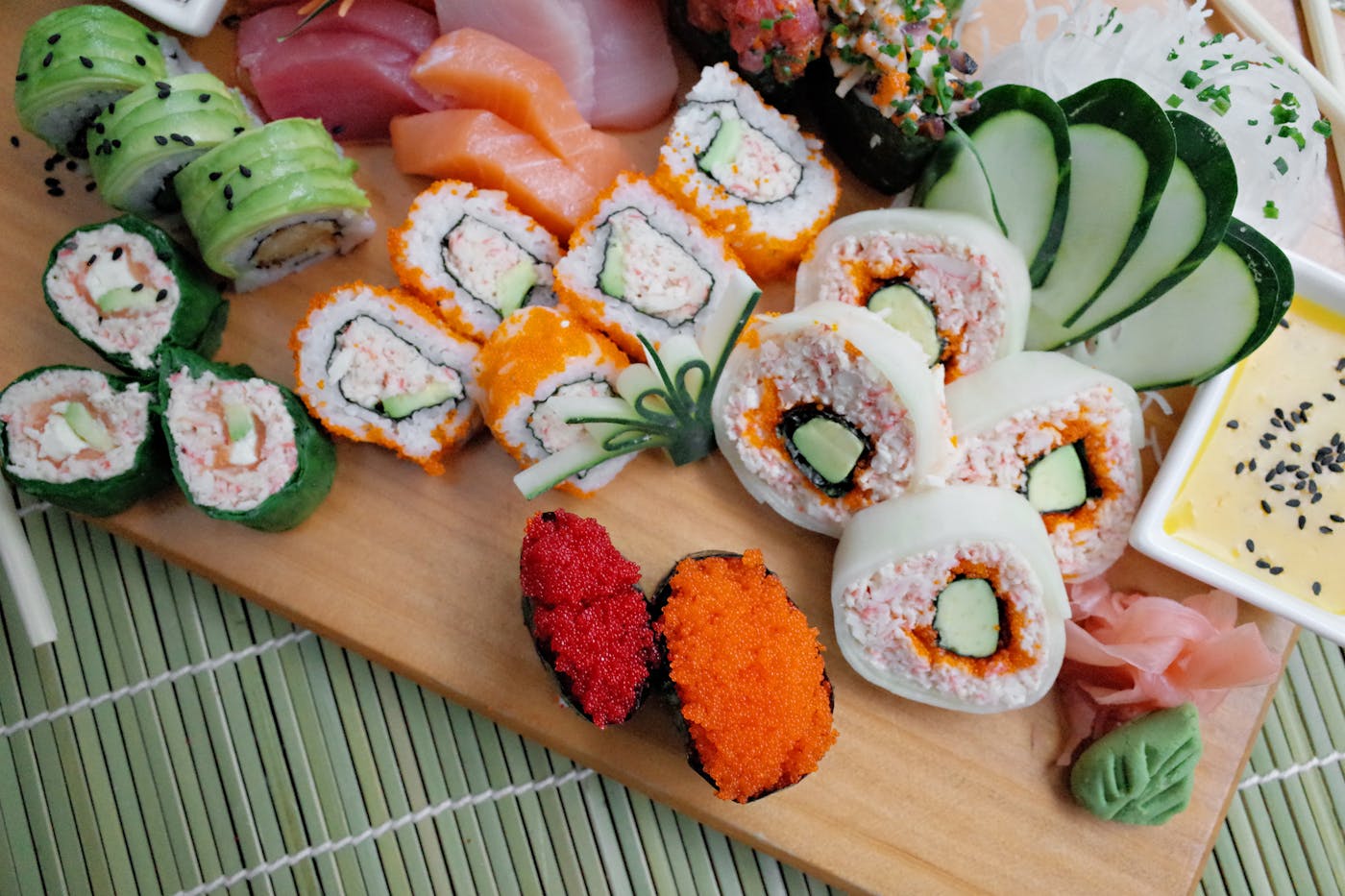
How Revolving Sushi Bars Keep It Fresh
Behind the scenes, several systems work together to protect quality:
- Small-batch preparation. Chefs make sushi continuously in small quantities, reading the room rather than overloading the belt.
- Demand-based pacing. Busy hours mean faster turnover; slower hours mean fewer plates released. The belt is matched to the crowd.
- Timed rotation. Many restaurants use timed labels or tags so staff know exactly when a plate has reached the end of its window — and remove it.
- Tablet ordering. For premium or specific items, guests order directly, so the fish goes from knife to seat in minutes.
- A controlled environment. The belt area is kept clean and temperature-conscious, and covered plate domes are common.
Q. How do revolving sushi bars keep food fresh?
Revolving sushi bars control freshness by preparing in small batches, pacing plates to real-time demand, using timed labels or tags, keeping the belt environment clean and temperature-controlled, and having staff remove any plate that passes its window. Tablet ordering also lets guests get items made fresh to order — so you are never relying on the belt alone.
How to Always Pick the Freshest Plate
You also have a role to play. Here is how seasoned revolving sushi fans choose:
- Look for vibrancy. Fresh fish looks bright and glossy; the rice looks plump, not dry. Trust your eyes.
- Go with the flow of the crowd. A busy belt is a fast belt — plates are not sitting long.
- Use the tablet when in doubt. If you want a guarantee, order it. That is exactly what the tablet is for.
- Eat it promptly. Once a plate is in front of you, enjoy it — sushi is always at its best the moment you pick it up.
A Quick Word on Etiquette
Freshness and etiquette go hand in hand. The cardinal rule keeps the whole belt clean and fresh for everyone:
Q. What is the etiquette at a revolving sushi bar?
Once you take a plate off the belt, it is yours — never put it back. Only touch the plates you intend to take, keep the shared belt clean, and stack your finished plates neatly at your seat. Use the tablet for custom orders rather than reaching across the belt. These simple habits keep the experience fresh and pleasant for every diner.
The Bottom Line
Conveyor belt sushi is not a compromise on freshness — it is a smart system for serving great sushi efficiently. At Makoto Revolving Sushi Bar and Tea in Staten Island, freshness is the whole point. Come see for yourself at 2530 Hylan Blvd, open seven days a week.